
How to Choose the Best Power Bank for Your Needs
In today’s fast-paced world, staying connected is essential, and a reliable power bank can be a lifesaver. With numerous options available, choosing the right power bank can feel overwhelming. This guide will help you navigate the key features and considerations to find the perfect power bank for your needs.
Understand Your Power Needs
The first step in selecting a power bank is to assess your power needs. Consider the devices you plan to charge, such as smartphones, tablets, or laptops, and their battery capacities. For instance, a smartphone typically requires around 2000-3000mAh for a full charge, while tablets may need 5000mAh or more. Understanding these requirements will help you determine the capacity of the power bank you need.
Additionally, think about how often you will be using the power bank. If you are frequently on the go or travel often, a higher capacity power bank may be more suitable. This ensures that you have enough power to keep your devices charged throughout the day without needing to recharge the power bank itself constantly.
Check the Output Specifications
Next, examine the output specifications of the power bank. The output current, measured in Amperes (A), determines how quickly your devices will charge. A power bank with a higher output (2.1A or more) will charge devices faster than one with a lower output (1A). This is particularly important if you are charging multiple devices simultaneously or if you need a quick charge before heading out.
Moreover, consider the number of output ports available. A power bank with multiple ports allows you to charge several devices at once, which is ideal for families or group outings. Ensure that the total output current is sufficient to support all connected devices without compromising charging speed.
Evaluate Portability and Design
Portability is another crucial factor when choosing a power bank. If you plan to carry it in your bag or pocket, look for a compact and lightweight design. Some power banks are designed to be sleek and slim, making them easy to transport without adding bulk. However, keep in mind that smaller power banks may have lower capacities.
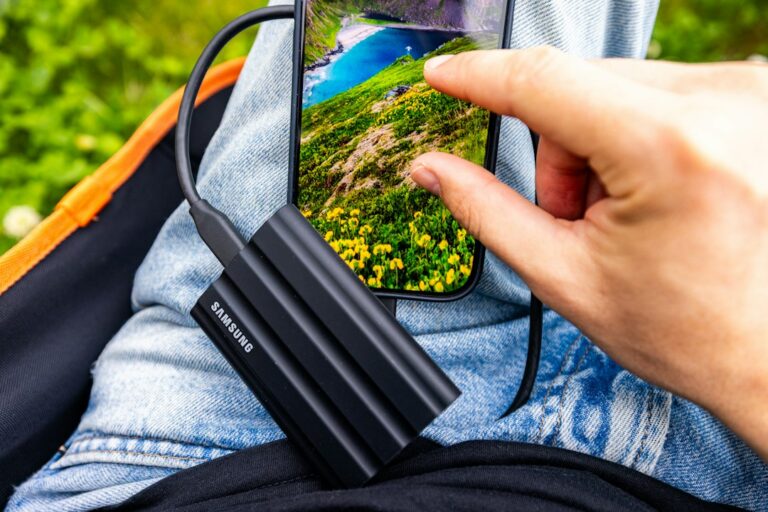
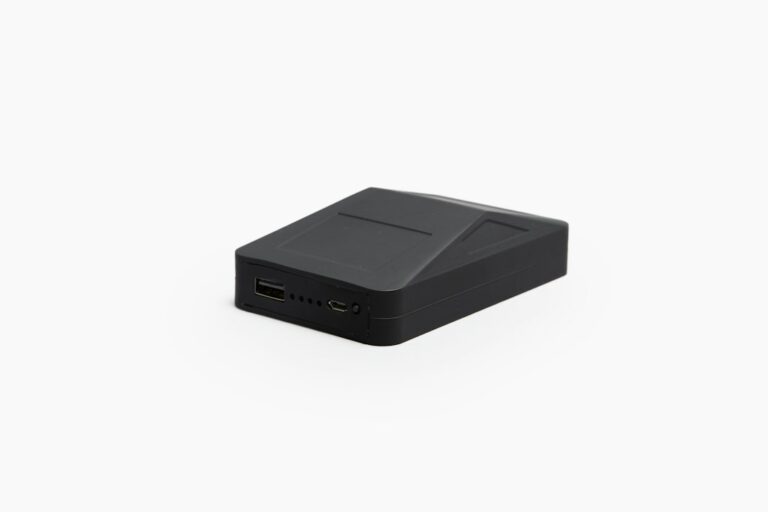
Additionally, consider the design features that may enhance usability. Some power banks come with built-in cables, LED indicators to show battery levels, or even rugged designs for outdoor use. These features can make a significant difference in your overall experience, so choose a design that aligns with your lifestyle and preferences.
Assess Safety Features
Safety should never be overlooked when selecting a power bank. Look for models that include built-in safety features such as overcharge protection, short circuit protection, and temperature control. These features help prevent damage to both the power bank and your devices, ensuring a safe charging experience.
Additionally, consider purchasing power banks from reputable brands that adhere to safety standards and regulations. Reading customer reviews and checking for certifications can provide insights into the reliability and safety of the product you are considering.
Step-by-step plan:
Step 1: Assess your device’s battery capacity and charging needs. Step 2: Check the output specifications for charging speed and number of ports. Step 3: Evaluate the portability and design features that suit your lifestyle. Step 4: Ensure the power bank has essential safety features for a secure charging experience.